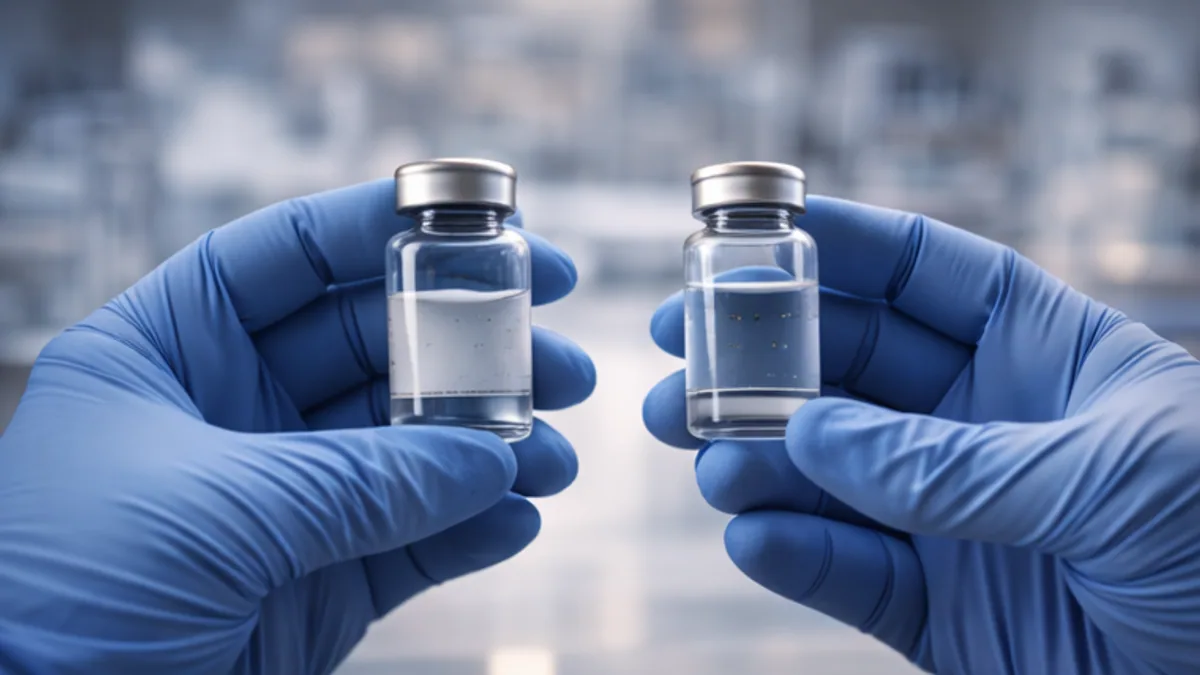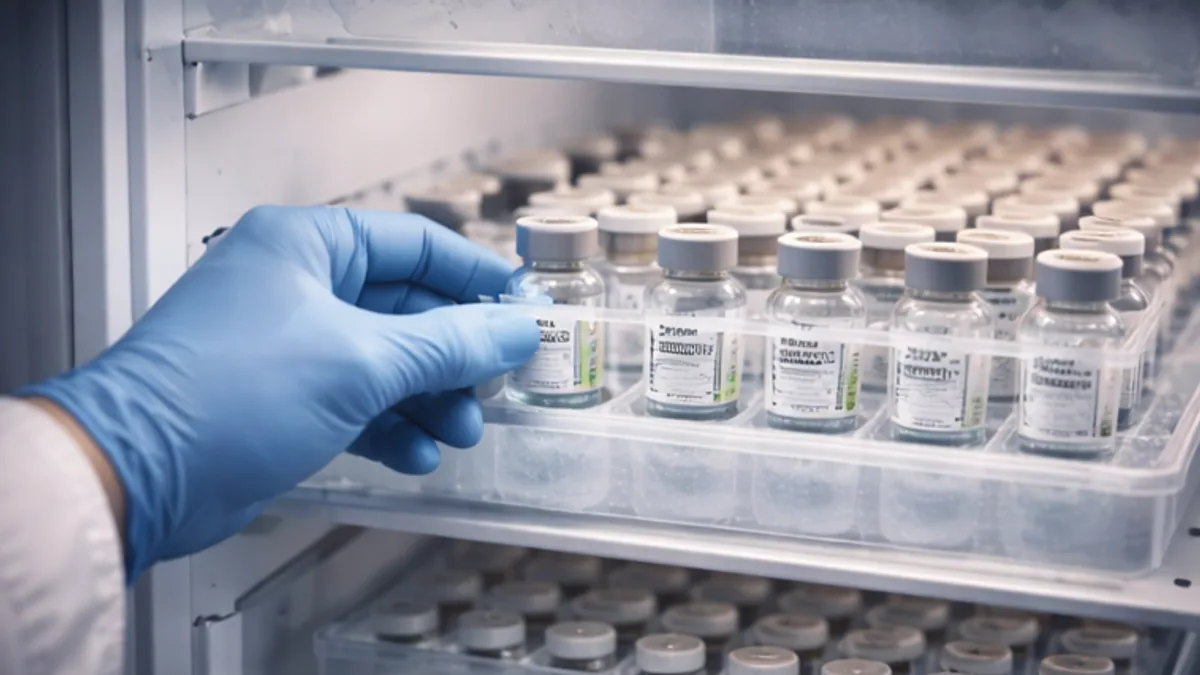
Peptides occupy a rare position in biomedical science. Some are rigorously tested, regulated, and prescribed as medicines. Others exist only within laboratories, animal models, and early human research. To outsiders, the distinction often looks blurry. To regulators, researchers, and clinicians, the line is sharp—and legally enforceable.
Understanding where that line is drawn is essential for interpreting research, evaluating claims, and maintaining scientific credibility.
What Makes a Peptide a “Drug”?
A peptide becomes a drug not because it is effective, popular, or biologically interesting, but because it has completed a formal regulatory process demonstrating safety, efficacy, and manufacturing consistency.
In the United States, that authority rests with the U.S. Food and Drug Administration. Similar roles are held by the EMA in Europe and other national agencies worldwide.
Approval is route-specific, dose-specific, indication-specific, and manufacturing-specific.
The FDA Approval Pathway in Brief
Peptide drugs follow the same regulatory pathway as other pharmaceuticals, although biologics often face additional scrutiny.
The process generally includes preclinical toxicology studies, phased human clinical trials, and strict manufacturing validation.
Core Approval Stages
- Preclinical testing (in vitro and animal models)
- Investigational New Drug (IND) application
- Phase I: safety and dosing
- Phase II: efficacy and side-effect profiling
- Phase III: large-scale confirmation
- New Drug Application (NDA) or Biologics License Application (BLA)
Completion of this pathway can take a decade or longer.
FDA-Approved Peptide Drugs: What They Represent
FDA-approved peptides are not theoretical tools—they are clinically validated therapies.
Examples include:
- Insulin analogs for diabetes
- GLP-1 receptor agonists such as tirzepatide for metabolic disease
- Oxytocin for obstetric indications
- Bremelanotide (PT-141) for hypoactive sexual desire disorder
Each approval applies only to a specific formulation, indication, and delivery route.
Research Peptides: What They Are—and Are Not
Research peptides are compounds used to explore biological mechanisms, not to treat patients.
They may show promise, but they lack:
- Completed human safety trials
- Regulatory review
- Approved dosing guidelines
- Verified long-term risk data
They are legally restricted to laboratory or investigational contexts.
Why “Research-Only” Is a Legal Classification
The label “for research use only” is not marketing language—it is a regulatory boundary.
Using a research compound as a medical treatment bypasses:
- Safety monitoring systems
- Adverse event reporting
- Quality assurance standards
- Ethical oversight
From a regulatory perspective, this is not experimental medicine—it is noncompliance.
Manufacturing Standards: A Critical Divider
One of the clearest distinctions between approved drugs and research compounds lies in manufacturing.
FDA-approved peptides must be produced under Good Manufacturing Practice (GMP) conditions, ensuring purity, consistency, and traceability.
Research peptides may vary significantly between batches and suppliers, even when the molecular name is identical.
Why Structural Similarity Doesn’t Equal Regulatory Equality
A research peptide can be structurally identical to an approved drug and still remain unapproved.
Approval is tied to:
- The specific manufacturer
- The formulation
- The delivery method
- The approved indication
This is why compounding, modification, or alternative delivery routes do not inherit approval by default.
How This Affects Interpretation of Research
Confusion often arises when promising animal or early-phase data is mistaken for clinical validation.
A peptide demonstrating efficacy in rodents does not automatically become a viable therapy. Translational gaps, dosing differences, and safety concerns frequently emerge only in later trials.
Responsible interpretation requires separating scientific potential from regulatory reality .
Approved vs Research Peptides: Key Differences
| Category | FDA-Approved Peptide Drugs | Research Peptides |
|---|---|---|
| Regulatory status | Approved | Not approved |
| Human safety data | Extensive | Limited or none |
| Manufacturing | GMP-certified | Variable |
| Permitted use | Clinical treatment | Laboratory research |
| Legal distribution | Prescription-controlled | Research-restricted |
Why the Line Exists
The regulatory boundary protects patients, researchers, and the integrity of science itself.
Without it, anecdote replaces data, marketing replaces evidence, and harm becomes difficult to detect or prevent.
Approval does not guarantee perfection—but it guarantees accountability.
Ethical and Scientific Responsibility
Responsible research does not blur categories. It clearly labels compounds, contextualizes findings, and avoids extrapolating beyond available evidence.
Trust in peptide science depends not on enthusiasm, but on discipline.
Conclusion: Clear Lines Protect Better Science
FDA-approved peptide drugs and research compounds exist in fundamentally different regulatory worlds. One represents completed validation; the other represents ongoing inquiry.
Confusing the two undermines both safety and scientific credibility. Understanding where the line is drawn is not restrictive—it is what allows peptide research to advance responsibly.
References
- Are Peptides FDA-Approved? — Which Peptides Have FDA Approval. https://compoundreview.com/guides/are-peptides-fda-approved
- Peptide Legality: FDA Status, Research Use, and What’s Legal. https://www.peptidepedia.org/guides/peptide-legality
- Which Peptides Are FDA-Approved? Complete List. https://www.peptidejournal.org/legal/which-peptides-are-fda-approved-complete-list
- What Peptides Are FDA Approved? The Complete List (2026). https://www.peptideprotocolwiki.com/blog/fda-approved-peptides
- US FDA to Convene Expert Panel to Review Wider Access to Some Peptides. https://www.reuters.com/business/healthcare-pharmaceuticals/us-fda-convene-expert-panel-decide-broader-access-some-peptides-2026-04-15/